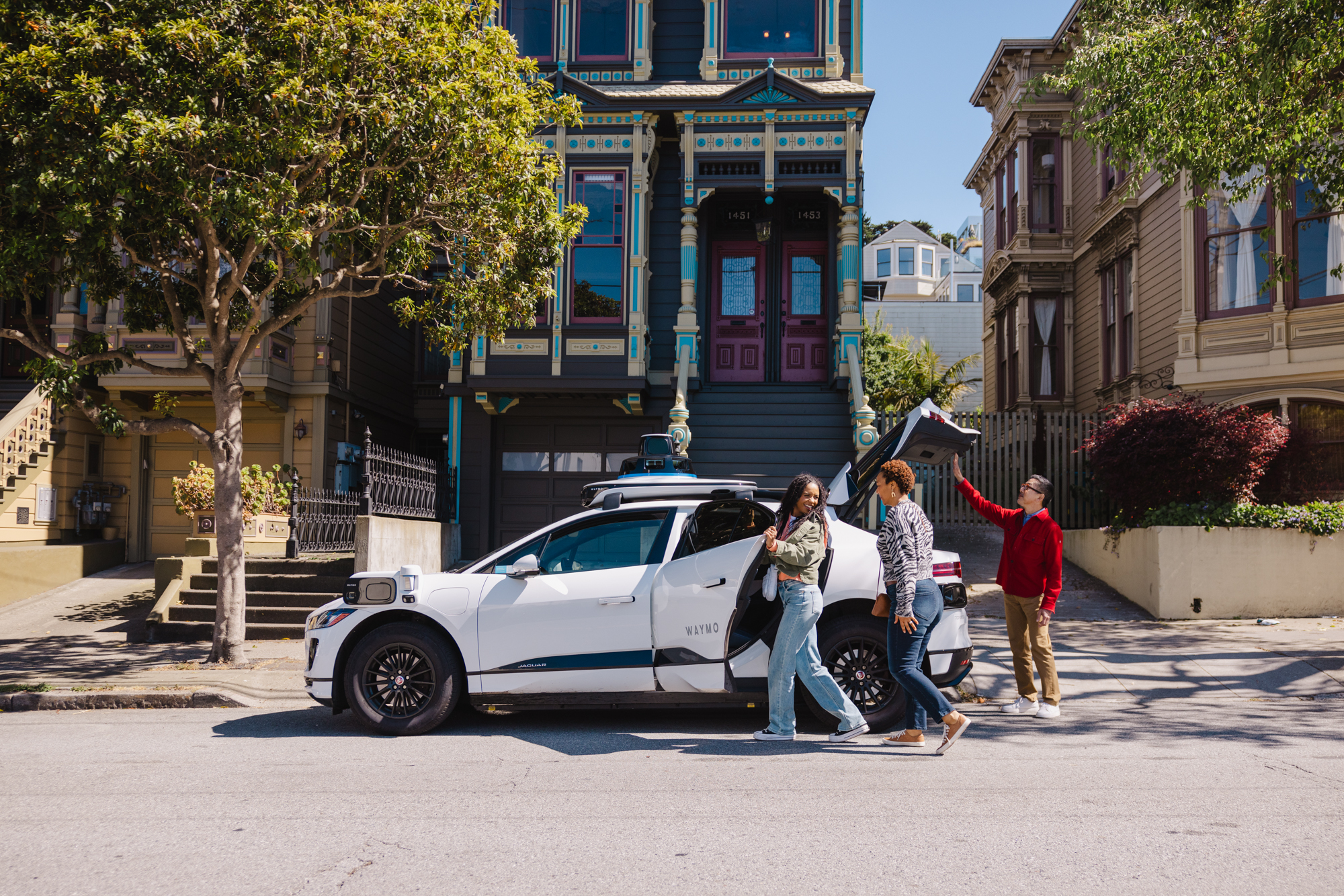
Waymo, Alphabet's leading self-driving company, has fierce competition for SWE internships—interviews test solid algorithm fundamentals and favor problems tied to self-driving scenarios. This piece, organized from an oavoservice student's Waymo intern debrief, lays out the full flow from OA to onsite, high-frequency coding problems, and behavioral prep—a practical reference for students grinding problems for internship interviews.
1. Waymo SWE intern interview flow
| Stage | Format | Length | Focus |
|---|---|---|---|
| Online assessment (OA) | HackerRank / in-house | 60–90 min | 2–3 algorithm problems |
| Technical phone screen | Coding | 45 min | LeetCode-medium, communication-heavy |
| Onsite VO | 3–4 rounds | Half day | Coding ×2 + behavioral + manager round |
Waymo follows a Google-style flow with high-quality problems, valuing clear communication and complexity analysis. Intern roles usually skip heavy system design but ask about projects and fundamentals.
2. OA problem 1: grid shortest path (BFS)
Problem
Given a 0/1 grid where 1 is an obstacle, move up/down/left/right from top-left to bottom-right and find the shortest steps (return -1 if unreachable). This "vehicle finding the shortest route on a grid map" fits Waymo's setting.
Approach
Shortest path on an unweighted graph uses BFS, expanding level by level; the level at which you first reach the goal is the answer.
from collections import deque

def shortest_path(grid):
    if not grid or grid[0][0] == 1:
        return -1
    m, n = len(grid), len(grid[0])
    q = deque([(0, 0, 0)])             # (row, col, steps)
    seen = {(0, 0)}
    while q:
        r, c, d = q.popleft()
        if r == m - 1 and c == n - 1:
            return d
        for dr, dc in ((1, 0), (-1, 0), (0, 1), (0, -1)):
            nr, nc = r + dr, c + dc
            if 0 <= nr < m and 0 <= nc < n and grid[nr][nc] == 0 and (nr, nc) not in seen:
                seen.add((nr, nc))
                q.append((nr, nc, d + 1))
    return -1
Time complexity: O(m·n). Space complexity: O(m·n).
3. OA problem 2: sensor task interval scheduling
Problem
Given task intervals (start, end), where a sensor can run only one task at a time, find the maximum number of non-overlapping tasks you can schedule.
Approach
A classic greedy: sort by end time and pick the earliest-finishing, non-conflicting task each time to fit the most.
def max_tasks(intervals):
    intervals.sort(key=lambda x: x[1])   # sort by end time
    count = 0
    last_end = float('-inf')
    for s, e in intervals:
        if s >= last_end:                # pick if no conflict
            count += 1
            last_end = e
    return count
Time complexity: O(n log n). Space complexity: O(1). The key to greedy correctness: finishing earlier leaves more room for what follows.
4. Behavioral and project deep-dive
The intern behavioral round is relatively light but still asks:
- "Most challenging project": use STAR to clarify your role, the difficulties, and the result; be ready for technical deep-dives.
- "Why Waymo / self-driving": show genuine interest in the field.
- "Teamwork / conflict" experience: show communication and collaboration.
Interviewers often follow your projects into technical detail—every bullet on your resume should be expandable.
5. Prep advice
- Algorithms: BFS/DFS, greedy, intervals, and graphs are high-frequency; prepare at Google-style medium to medium-hard.
- Communication: code and explain, proactively stating complexity and edges.
- Projects: get 1–2 projects to withstand chained follow-ups.
FAQ
Q1: How hard is the Waymo intern OA?
2–3 algorithm problems at medium to medium-hard, Google-style, commonly BFS / greedy / intervals / graphs, some wrapped in self-driving scenarios. It values complexity analysis and edges.
Q2: Does the Waymo intern interview test system design?
Intern roles usually skip heavy system design—it's more coding + project deep-dive + behavioral. Full-time roles have a full system-design round.
Q3: Does the behavioral round matter?
It carries some weight, but internships focus on potential and projects. Prepare STAR stories and project technical detail that can withstand chained follow-ups.
Q4: How to prepare efficiently?
Grind by block—BFS/greedy/intervals/graphs—timed, paired with project deep-dive practice. For timed mocks and live think-aloud practice, contact oavoservice for a Waymo-specific plan.
Preparing for the Waymo intern interview?
Waymo follows a Google-style flow, valuing clear communication and algorithm fundamentals. oavoservice offers full-process Waymo practice: timed mocks on BFS / greedy / interval / graph questions, a self-driving scenario track, project deep-dive and behavioral polishing, and question-type prediction for intern roles. Coaches are senior engineers with big-tech and self-driving backgrounds who help you steady both code and delivery.
Add WeChat Coding0201 now to get Waymo questions and mock practice.
Contact
- WeChat: Coding0201
- Email: [email protected]
- Telegram: @OAVOProxy